Las Vegas, NV (January 31, 2026) -A traffic accident resulting in injuries was reported at the intersection of E Cheyenne Ave and N Nellis Blvd in Las Vegas on the afternoon of January 31, 2026. According to the Las Vegas Metropolitan Police Department, the incident was classified as a 401B — accident with injury — and occurred at approximately 3:42 p.m. Emergency responders were dispatched to the scene. No further information has been released regarding those involved or the nature of the injuries. The investigation remains ongoing.
Key Details
- Location: Las Vegas, NV
- Where: E Cheyenne Ave & N Nellis Blvd
- Type: Accident With Injuries
- Reported: January 31, 2026 – 3:42 PM
- Injuries: Reported
- Responding Agency: Las Vegas Metropolitan Police Department
What We Know So Far
- An injury accident was reported at E Cheyenne Ave & N Nellis Blvd.
- LVMPD logged the crash as a 401B incident.
- The report time was 3:42 p.m. on January 31, 2026.
- Emergency units were dispatched to assist at the location.
What’s Not Yet Confirmed
- How many vehicles were involved in the accident.
- The specific nature and severity of the reported injuries.
- Whether any traffic lanes were blocked as a result.
- What factors may have led to the crash.
Local Context
The area around E Cheyenne Ave and N Nellis Blvd is a busy corridor that connects various neighborhoods and businesses in northeast Las Vegas. Crashes at intersections like this one often prompt a rapid emergency response to assess injuries and restore traffic flow. Given the potential for congestion during afternoon travel times, responders typically act quickly to document vehicle positions and assist those involved. Updates from LVMPD may be released as the review process continues and more facts are confirmed.
What to Do Next
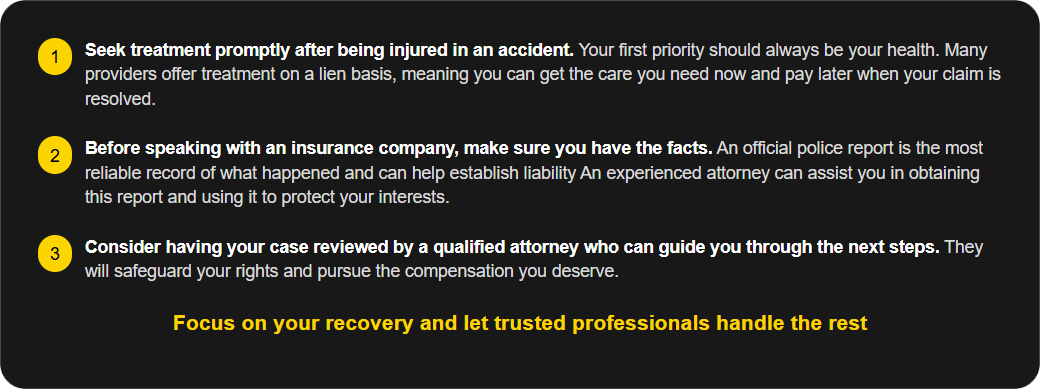
- Remain at the scene and cooperate with first responders. Leaving before police arrive can create complications later.
- If your vehicle cannot be moved safely, stay inside with your seatbelt on until help arrives, especially on busy roads.
- Write down the time, location, and what you observed while the details are still fresh.
- Monitor how you feel after the crash. Some injuries can appear hours or days later.
FAQ
Q: What should drivers do when approaching an active crash scene?
A: Slow down, follow any directions from emergency personnel, and avoid distractions so responders can work safely and efficiently.
Q: Why are freeway crashes considered especially hazardous?
A: High speeds, close traffic flow, and limited escape space make freeway crashes more dangerous and require quick, coordinated emergency response.
Q: Why might lanes remain blocked after injured people are helped?
A: Officials often need time to document the crash, clear debris, and investigate vehicle positions before safely reopening the roadway.